
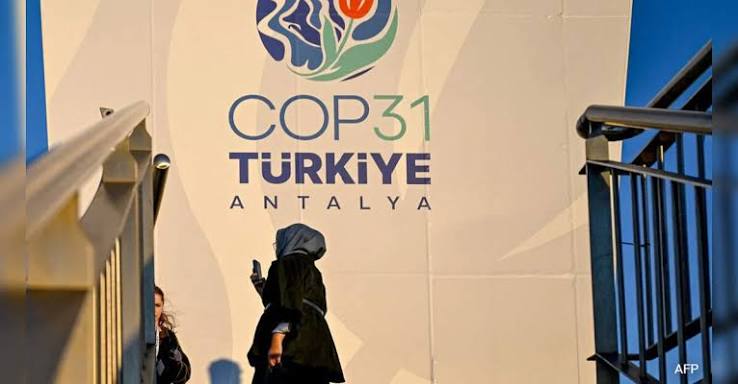
NEW DELHI: The COP31 climate summit in Antalya, Türkiye, has entered its second and final week with countries divided over proposals to accelerate the transition away from fossil fuels, raising concerns over the possibility of reaching a consensus on key climate commitments.
Ministers and senior negotiators have arrived for the crucial phase of discussions, with climate finance, energy transition and support for developing countries emerging as major areas of disagreement. The negotiations are scheduled to conclude on November 20.
One of the key sticking points is a proposed roadmap to move away from coal, oil and natural gas. While several countries and climate groups are pushing for clear timelines and concrete measures, fossil-fuel-producing nations have resisted language that could impose restrictions on their energy sectors. Disagreements have also emerged over whether the summit should adopt an overarching political declaration, commonly known as a cover decision.
Türkiye is promoting an initiative to increase electricity's share of global energy consumption from around 23 per cent currently to 35 per cent by 2035. However, questions remain over whether the additional electricity should come exclusively from clean and renewable sources. Critics argue that expanding electrification without a clear commitment to clean power could prolong dependence on fossil fuels.
Climate finance is another major point of contention. Developing countries are seeking greater financial assistance from wealthier nations to address the impacts of climate change, strengthen adaptation measures and support a fair transition to cleaner energy. Differences persist over the scale of funding, access to financial resources and the responsibilities of developed countries.
UN climate chief Simon Stiell has urged governments to address the most difficult issues without further delays, stressing that progress would require flexibility and compromise from all participating countries.
Australia's Climate Change and Energy Minister Chris Bowen, who is leading the negotiations, is expected to circulate an initial draft of the summit's overarching decision early this week. Ministers will then work towards resolving outstanding differences before the scheduled conclusion.
The outcome of COP31 is expected to have implications for international efforts to limit global warming, particularly as countries face growing pressure to translate previous climate pledges into concrete action.