
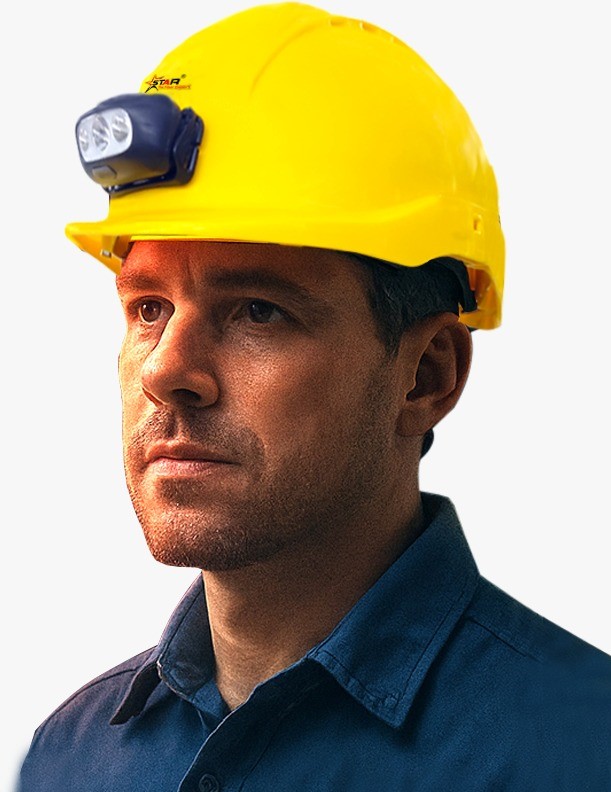
NEW DELHI: In a move that signals India’s growing ambition to lead in industrial safety technology, Star Infomatic has introduced “ElectroSense” — a next-generation wearable system designed to predict and prevent electrical accidents before they occur.
Unlike traditional safety gear that primarily offers post-contact protection, ElectroSense represents a shift towards predictive, technology-driven workplace safety. The solution integrates sensing technology with real-time alert systems, enabling workers to detect live electrical hazards in advance and avoid potentially fatal exposure.
The innovation comes at a time when industries such as telecom, power utilities, and infrastructure maintenance are grappling with rising safety challenges, particularly in high-risk field environments. By embedding intelligent sensors into helmets, the system transforms passive protective equipment into an active safety platform capable of warning technicians seconds before danger.
Company executives say the broader vision extends beyond a single product. ElectroSense is positioned as part of a larger ecosystem that could include connected workforce monitoring, predictive safety analytics, and AI-driven hazard learning systems—potentially redefining how industrial safety is managed at scale.
What sets the technology apart is its focus on real-world Indian conditions. The system has been engineered to function effectively in environments marked by dust, humidity, dense wiring, and roadside repair scenarios—factors often overlooked in global safety solutions.
Industry observers note that if successfully patented and scaled, ElectroSense could place India among early innovators in wearable electrical safety systems, a niche that is gaining importance as smart infrastructure and urban projects expand worldwide.
With increasing emphasis on worker safety regulations and smart-city deployments, solutions like ElectroSense may mark the beginning of a broader shift—from compliance-driven safety to technology-led accident prevention.