
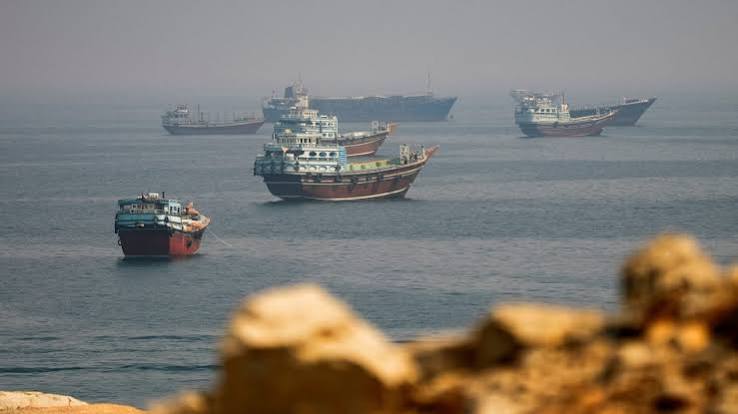
NEW DELHI: South Korea has announced plans to expand the operational area of its anti-piracy naval unit closer to the strategically important Strait of Hormuz, deploying additional surveillance and mine-clearing capabilities amid continuing regional tensions involving Iran and the United States.
The South Korean Defence Ministry said on November 5 that the operational area of the Cheonghae Unit, currently stationed in the Gulf of Aden off Somalia, would be extended to waters south of Oman. The proposed expansion is aimed at strengthening maritime security, protecting commercial vessels and safeguarding South Korea's economic interests.
Under the proposed deployment, Seoul plans to send a P-8A Poseidon maritime patrol aircraft, an Explosive Ordnance Disposal (EOD) team and unmanned mine-countermeasure equipment. The additional deployment will involve 75 personnel, taking the unit's total strength to approximately 395.
The Cheonghae Unit, established in 2009, has primarily been responsible for protecting commercial shipping against piracy in the Gulf of Aden and surrounding international waters. Its existing assets include a 4,400-tonne destroyer, a naval helicopter and patrol boats.
The expanded mission will also include supporting efforts to restore freedom of navigation along international shipping routes. The maritime patrol aircraft will help monitor a wider operational area, while the specialised team and unmanned equipment will strengthen capabilities for detecting and clearing sea mines.
South Korean officials have emphasised that the proposed deployment is not intended to involve the country directly in the ongoing US-Iran conflict. The unit will operate independently under South Korean military command, with its activities restricted to international waters south of Oman. The proposed mandate does not authorise operations inside the Strait of Hormuz or Iranian territorial waters.
The decision comes as South Korea seeks to protect its energy supplies and commercial shipping interests. The Strait of Hormuz is one of the world's most important maritime chokepoints, handling a substantial share of international oil shipments. South Korea is heavily dependent on Middle Eastern energy imports, making the security of the waterway particularly important for its economy.
The proposed expansion requires approval from South Korea's National Assembly, following the necessary Cabinet procedures. The government is expected to seek parliamentary consent to extend the unit's deployment and revise its operational mandate.
The additional mine-clearing capabilities could also prepare South Korean forces for potential future international efforts to restore safe navigation through the Strait of Hormuz once regional hostilities have ended. However, any direct participation in operations within the strait would require separate parliamentary approval.
The move reflects Seoul's effort to strengthen maritime security and protect vital trade and energy routes while avoiding direct military involvement in the regional conflict.