
NEW DELHI: China and the Association of Southeast Asian Nations (ASEAN) have made significant progress in negotiations on a proposed Code of Conduct (COC) for the disputed South China Sea, with nearly 80 per cent of the draft agreement provisionally finalised. However, the two sides are unlikely to conclude the negotiations by the end of 2026, as originally planned, and discussions are expected to continue next year.
According to three Southeast Asian diplomats familiar with the negotiations, the latest round of discussions, held last month, resulted in provisional agreement on around 80 per cent of the proposed text. The remaining differences primarily concern the geographical scope of the agreement, the definition of certain sensitive terms and whether the proposed code should be legally binding.
China and ASEAN began negotiations on the Code of Conduct in 2005 with the objective of preventing maritime confrontations from escalating into a broader regional conflict. In 2023, both sides agreed to accelerate the process and work towards completing the negotiations by the end of 2026.
The Philippines, which holds the ASEAN chairmanship in 2026, increased the frequency of meetings to facilitate progress, while China and Malaysia jointly led at least 10 major rounds of negotiations during the year.
The proposed agreement aims to promote restraint, establish rules of engagement and reduce tensions in the strategically important waterway, which serves as a major international shipping route and is believed to hold significant oil and natural gas reserves.
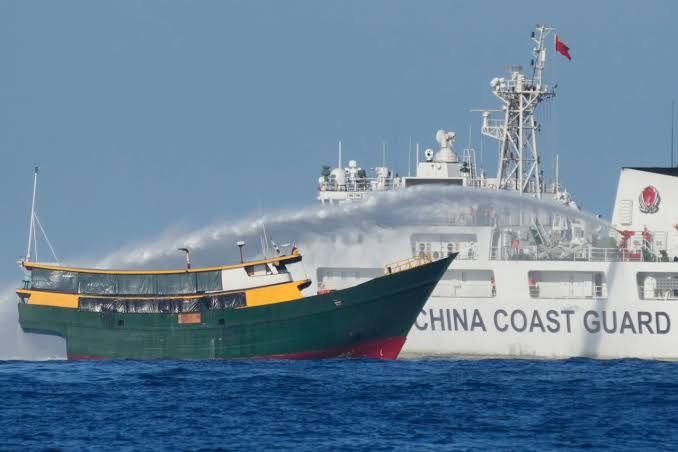
The South China Sea remains a major source of territorial disputes involving China, Brunei, Malaysia, the Philippines and Vietnam, with Taiwan also involved in longstanding competing claims. Maritime confrontations, particularly between Chinese and Philippine coast guard and naval forces, have intensified in recent years.
The progress of negotiations and continuing maritime tensions are expected to feature prominently at the upcoming ASEAN summit in Manila. Singapore will assume ASEAN's rotating leadership next year, when negotiations on the proposed agreement are expected to resume.
The proposed Code of Conduct is viewed as an important diplomatic initiative to maintain regional stability, protect freedom of navigation and prevent disputes in the South China Sea from escalating into a wider conflict.