
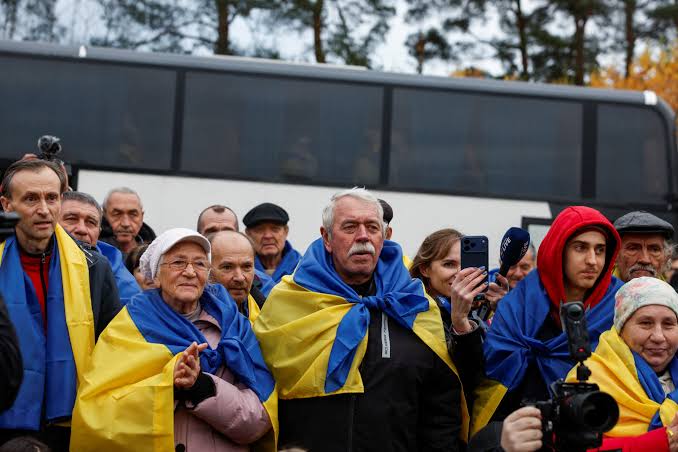
NEW DELHI: A six-day temporary ceasefire in Ukraine's Kherson region has ended, with fresh Russian attacks reported in the area, raising fears of renewed fighting after a brief pause that allowed civilians to escape conflict-hit areas and humanitarian assistance to reach stranded residents.
The local ceasefire, which began on October 27, was aimed at facilitating humanitarian operations in the Russian-occupied city of Oleshky. It enabled the evacuation of civilians, the delivery of essential supplies and the clearance of routes for people seeking to leave the conflict zone. The truce was reportedly brokered with the involvement of US First Lady Melania Trump and Pope Leo.
According to Ukrainian officials, Russia resumed attacks in the Kherson region on Monday morning. A drone strike targeting a vehicle in the Korabelny district of Kherson injured a 62-year-old woman and a 73-year-old man, both of whom were hospitalised. Ukrainian authorities had earlier warned residents to remain alert following the expiration of the ceasefire. Russia reportedly declined Ukraine's proposal to extend the temporary truce.
The humanitarian operation resulted in the evacuation of 167 civilians, including 22 children and 21 people with limited mobility, from vulnerable areas of the Kherson region on Sunday, according to Ukrainian officials. The ceasefire also allowed humanitarian supplies to reach residents of Oleshky, where civilians had faced difficult conditions amid continued fighting.
Meanwhile, Ukraine has reported a suspected cyberattack targeting its public air-raid alert application, which briefly circulated false warnings about radiation levels, chemical threats and possible unrest in Kyiv. The country's Air Force said unauthorised interference had affected the application and temporarily disrupted its functioning. Authorities subsequently restored the service and clarified that there was no radiation threat.
In a separate development, Russia's Emergency Situations Ministry also reported a cyberattack on its mobile application, saying hackers had gained access to the platform and circulated false emergency information. Russian authorities said the broader public warning system, including SMS alerts, television broadcasts and public sirens, continued to function normally.
The cyber incidents have raised concerns about the growing use of digital attacks and misinformation during the conflict, particularly as civilians increasingly depend on mobile applications for emergency warnings.
The latest developments come as the Russia-Ukraine war continues into its fifth year, with both sides maintaining military operations and targeting infrastructure. Ukrainian President Volodymyr Zelenskyy has also reported fresh Russian strikes on energy facilities, raising concerns over power shortages as winter approaches.
US-mediated discussions between Moscow and Kyiv are expected to resume this month, although prospects for a broader ceasefire remain uncertain. The end of the Kherson truce has underscored the fragility of local humanitarian arrangements amid the continuing conflict.