
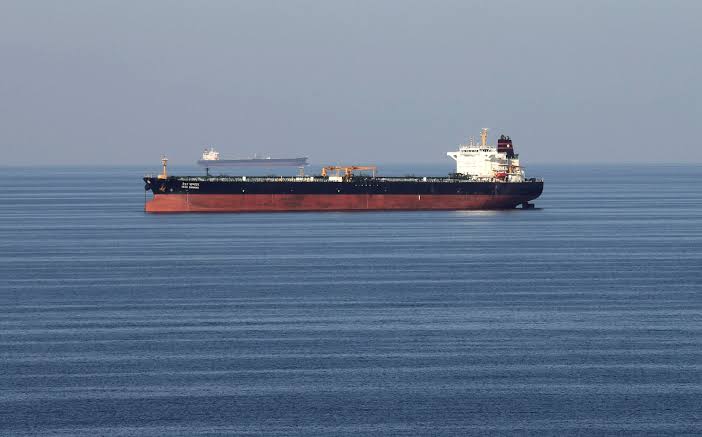
NEW DELHI: Two oil supertankers were disabled following major explosions in the Strait of Hormuz, according to Iran's Islamic Revolutionary Guard Corps (IRGC) Navy, raising fresh concerns over maritime security and the safety of global energy supplies amid escalating tensions in the Middle East.
In a statement issued on Thursday, the IRGC Navy said the explosions occurred on Wednesday night after the two vessels allegedly ignored warnings against using an "unauthorised route" through the strategic waterway. However, the Iranian military did not provide details about the cause of the explosions or identify the vessels involved.
The incident comes amid the ongoing conflict involving Iran, the United States and Israel, which has significantly disrupted commercial shipping through the Strait of Hormuz. Iran has imposed restrictions on maritime traffic through the passage, insisting that vessels follow designated shipping routes.
The Strait of Hormuz is one of the world's most strategically important energy corridors, connecting the Persian Gulf with the Gulf of Oman and serving as a major transit route for international crude oil and liquefied natural gas shipments. Any prolonged disruption to shipping through the narrow waterway could affect global oil supplies, increase transportation and insurance costs, and put additional pressure on energy markets.
The latest incident follows a series of attacks and maritime security alerts involving commercial vessels in and around the Gulf. The United Kingdom Maritime Trade Operations agency has also reported incidents in which tankers were struck by unidentified projectiles.
The developments have heightened concerns among shipping companies, energy traders and governments over the safety of vessels and their crews operating in the region. With tensions between Washington and Tehran continuing, the Strait of Hormuz remains a major flashpoint for international trade and energy security.