
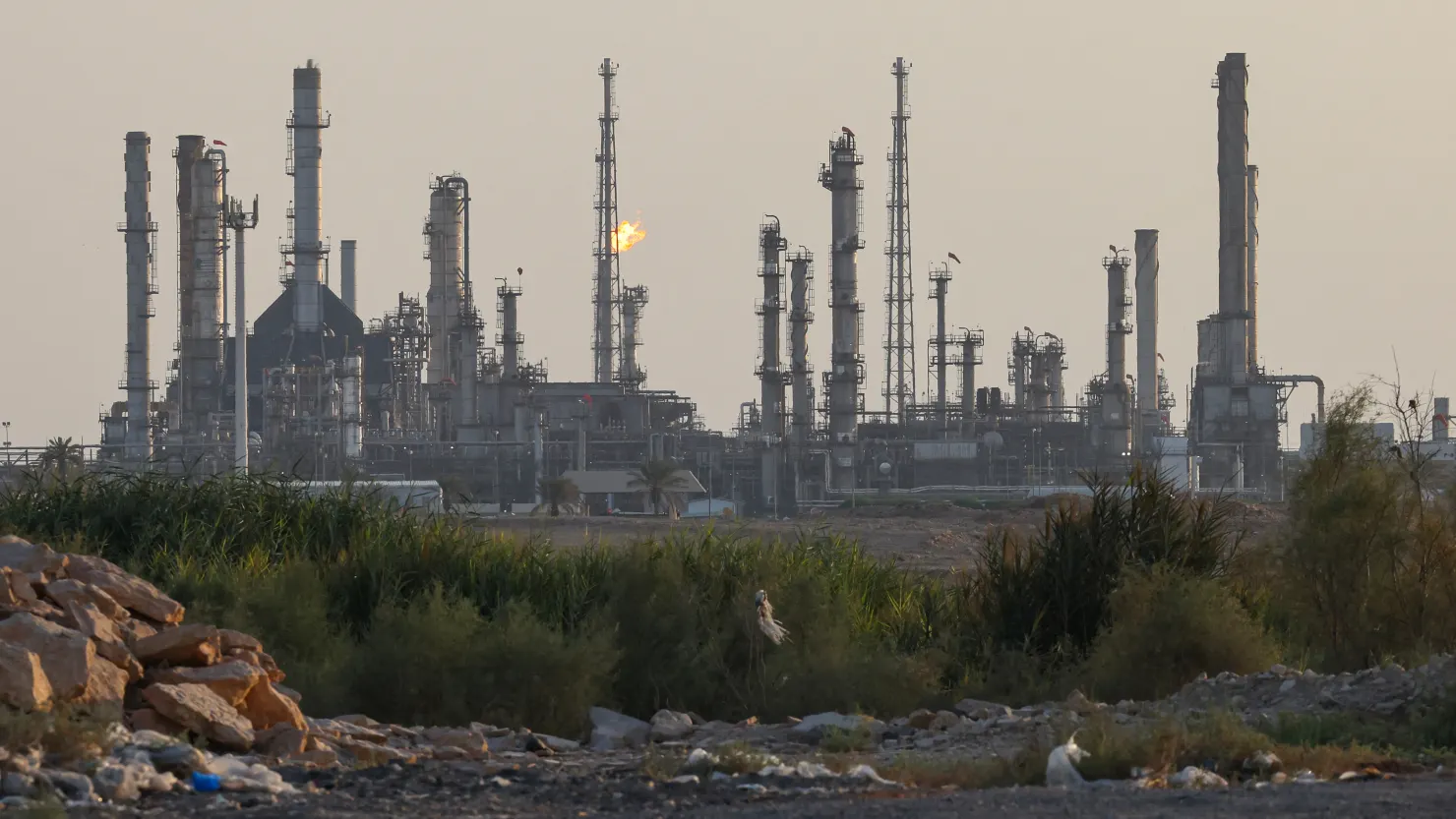
NEW DELHI: Yemen's Iran-aligned Houthi movement has claimed responsibility for an attack on Saudi Arabia's Rabigh oil refinery, raising fresh concerns over the security of energy infrastructure and shipping routes in the Middle East. The latest escalation comes as US President Donald Trump has warned that Washington could consider fresh military strikes against Iran next year if diplomatic efforts fail to produce an agreement.
The Houthis said on Sunday that they had directly targeted the Rabigh refinery, located on Saudi Arabia's Red Sea coast, around 165 km north of Jeddah. The facility, known as Petro Rabigh, is a major refining and petrochemical complex developed by Saudi Aramco and Japan's Sumitomo Chemical. The extent of any damage from the claimed attack remains unclear, and Saudi authorities had not publicly confirmed the reported strike.
The Saudi-led coalition said it had intercepted and destroyed a drone launched towards the kingdom's western region, which hosts important energy facilities and export infrastructure. The latest incident follows a series of Houthi claims involving attacks on Saudi oil installations, airports and other strategic targets amid the widening regional conflict.
Meanwhile, Trump has indicated that he could order military action against Iran in 2027 if negotiations fail to resolve the ongoing confrontation. In an interview with Fox News, he accused Tehran of delaying diplomatic efforts while maintaining an aggressive regional posture. Iran, however, has signalled that it remains in contact with mediators, including Qatar, to explore the possibility of renewed negotiations.
The developments have heightened concerns over the security of international energy supplies, particularly as tensions continue around the Strait of Hormuz and the Gulf of Oman. The Strait of Hormuz is one of the world's most important oil transit routes, carrying a substantial share of global crude shipments. Any prolonged disruption to shipping through the waterway could have significant consequences for energy markets, transportation costs and the global economy.
Maritime security concerns have also increased following reports of attacks involving commercial vessels in the Gulf and nearby waters. The United Kingdom Maritime Trade Operations has urged ships operating in the region to remain vigilant amid the deteriorating security situation.
Oil markets continue to factor in the risk of further escalation. Brent crude was trading around $92.67 a barrel on Monday, while US West Texas Intermediate stood at approximately $83.57, with geopolitical tensions supporting prices despite broader market pressures.
The latest developments underline the growing connection between military tensions, energy security and global economic stability. Further attacks on oil infrastructure or commercial shipping could disrupt supply chains, increase insurance and freight costs, and put additional pressure on oil-importing economies.