
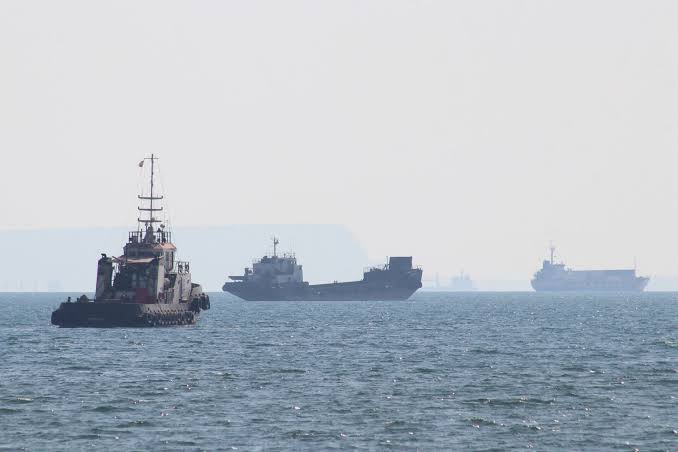
NEW DELHI: Oman and Iran have held discussions on strengthening maritime security and ensuring the uninterrupted movement of international shipping and trade through the strategically important Strait of Hormuz, amid increasing attacks on commercial vessels and disruptions to regional energy supplies.
The discussions took place during the visit of Iranian Foreign Minister Abbas Araqchi to Oman, where he met his Omani counterpart, Badr Albusaidi. According to the Omani Foreign Ministry, the two leaders discussed safeguarding maritime corridors and reviving diplomatic channels to prevent further escalation of tensions in the region.
The ministers also explored ways to expand mutual understanding among concerned parties and strengthen dialogue and negotiations to contain the ongoing crisis and prevent its wider repercussions.
The talks come against the backdrop of growing security threats in the Strait of Hormuz, where several oil tankers have reportedly been attacked in recent days. The United Kingdom Maritime Trade Operations (UKMTO) reported an incident involving a tanker near Khasab, Oman, which left the vessel disabled and triggered a fire in its engine room. The crew was reported safe.
The International Maritime Organization has recorded more than 130 security incidents involving vessels in the Strait of Hormuz and the wider Middle East since the conflict began in February.
The Strait of Hormuz is one of the world's most important energy transit routes, carrying approximately one-fifth of global energy supplies before the current conflict. Any prolonged disruption to shipping through the narrow waterway could affect international oil supplies, increase transportation costs and create volatility in global energy markets.
Oman, which shares control of the southern coastline of the strait, has played an important mediating role in efforts to ease tensions between Iran and the United States. The latest discussions underline Muscat's efforts to maintain diplomatic engagement and prevent further deterioration of regional security.
The meeting also comes as Washington maintains a naval blockade on Iran, while Tehran continues to restrict maritime movement through the waterway. Diplomatic efforts to end the conflict have so far failed to produce a breakthrough.
The renewed engagement between Muscat and Tehran highlights the importance of regional diplomacy in protecting international shipping routes and maintaining stability in global energy markets.